

You wake up with chest pain at 2 a.m. A few weeks later, you need help managing high blood pressure. Both situations involve a doctor. But are they the same type of care?
Many patients ask, “Is emergency medicine primary care?” The answer is no. They serve different roles in the healthcare system. Yet confusion is common, especially when urgent care clinics, emergency rooms, and primary care offices all seem to overlap.
Understanding the difference helps you make smarter decisions about your health, your time, and your costs. Let’s break it down clearly and practically.
What Is the Emergency Medicine Specialty Definition and What Do Emergency Physicians Actually Do?
Emergency medicine is a medical specialty focused on the immediate evaluation and treatment of sudden, serious illness or injury. Emergency physicians work in hospital emergency departments and are trained to stabilize patients in life-threatening situations.
The emergency medicine specialty is defined by rapid assessment, diagnosis, and intervention. These physicians treat heart attacks, strokes, severe trauma, major infections, respiratory distress, and other critical conditions.
The scope of emergency medicine includes:
- Immediate resuscitation and life-saving procedures
- Advanced diagnostic testing
- Coordination with hospital specialists
- Stabilizing patients for admission or discharge
Emergency physicians are not designed to manage long-term health conditions. Their role ends once the crisis is controlled or the patient is admitted. In short, emergency medicine focuses on acute, high-risk events. It is reactive and time-sensitive.
What Defines Primary Care and Why Does Continuity Matter?
Primary care is built around long-term health management. A primary care provider follows your medical history, tracks your risk factors, and coordinates preventive services. The concept of primary care continuity is central. It means you see the same provider over time. That relationship allows for:
- Early detection of chronic conditions
- Preventive screenings and vaccinations
- Medication management
- Lifestyle counseling
- Ongoing monitoring of blood pressure, diabetes, and cholesterol
Primary care is proactive. It prevents emergencies instead of reacting to them. This is also where the distinction between acute care and preventive care becomes clear. Emergency medicine handles sudden illness. Primary care reduces the chance that those sudden events occur.
Is Emergency Medicine Primary Care or a Separate System Entirely?
Emergency medicine is not primary care. It operates within a different structure and purpose. Primary care is delivered in an outpatient setting and focuses on comprehensive, ongoing health management. Emergency medicine works inside hospital systems and addresses immediate threats.
While both involve licensed physicians, their training, environment, and goals differ. Emergency doctors are trained in high-pressure stabilization. Primary care physicians are trained in long-term disease management, preventive medicine, and patient relationships.
The confusion often arises because both treat illness. However, the type of illness and the timing define the difference. If you need annual labs, blood pressure checks, or help managing asthma, that falls under primary care. If you are experiencing chest pain, severe bleeding, or stroke symptoms, that falls under emergency medicine. In short, they complement each other and are not interchangeable.
What Is the Difference Between Primary Care and Emergency Medicine in Daily Practice?
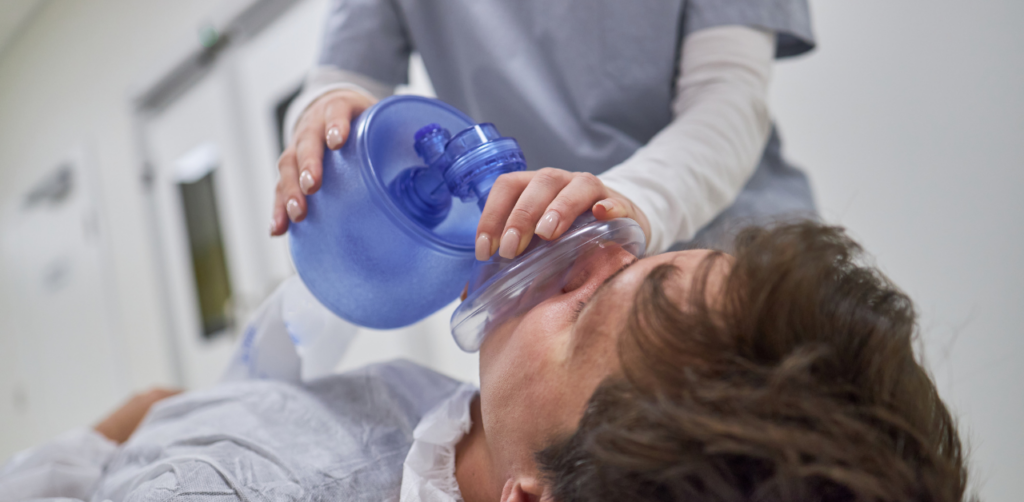
Patients often search this exact question. The answer becomes clearer when you compare how each functions day-to-day. Emergency departments operate 24 hours a day. They triage patients by severity. Someone with cardiac arrest goes ahead of someone with a sprained ankle. The system is built around urgency.
Primary care offices operate on a schedule of appointments. Visits focus on evaluation, monitoring, and discussion. The approach is structured and preventive.
Another distinction is cost. Emergency room visits are typically far more expensive than primary care visits. Insurance plans also treat them differently. If you rely on emergency rooms for routine health needs, you lose continuity and often pay more.
Can Emergency Medicine Replace Primary Care Doctors in Fresno or Anywhere Else?
No, it cannot. Emergency departments are not structured to provide ongoing health management. They do not track your yearly lab trends. They do not coordinate preventive screenings. They do not provide consistent medication follow-up.
Patients searching for primary care doctors in Fresno often need long-term support for conditions like diabetes, hypertension, or asthma. Those needs require follow-up appointments and monitoring. Communities function best when both systems operate together.
Where Does Urgent Care Fit Between Emergency Medicine and Primary Care?
Urgent care often fills the gap between emergency departments and primary care offices. Urgent care clinics treat non-life-threatening conditions that still need prompt attention. Examples include minor fractures, infections, flu symptoms, and mild asthma flare-ups. They are not emergency departments. They are also not long-term primary care practices.
In many cases, urgent care clinics refer patients back to primary care for follow-up. That supports continuity while reducing strain on emergency rooms. Urgent care plays a practical role for patients who need same-day treatment but are not facing life-threatening symptoms.
How Does Continuity of Care Improve Health Outcomes?
Continuity creates trust and better decision-making. When a provider knows your medical history, family history, and lifestyle, treatment plans become more precise. Medication errors decrease, screening gaps close, and chronic conditions stay controlled.
Primary care continuity care allows for early intervention. That reduces the chance of needing emergency treatment. Patients who use emergency departments as their only source of care often experience fragmented treatment. No single provider sees the full picture.
How Does EveryDay Healthcare Support Patients Who Need Both Immediate and Ongoing Care?
At EveryDay Healthcare, many people come to us after an emergency visit and realize they need ongoing support. Others arrive unsure if their condition requires hospital care.
We provide urgent care for sudden but non-life-threatening concerns. We also offer primary care services for long-term health management. That includes chronic disease monitoring, physical exams, preventive screenings, and women’s health services.
Our goal is to help patients avoid unnecessary ER visits while ensuring serious symptoms receive proper referral when needed. When you are unsure about your symptoms, we guide you through the next step. If emergency services are required, we clearly say so. If the issue can be handled in our clinic, we treat it promptly.
We believe healthcare should be accessible, straightforward, and centered around your long-term well-being.
Make Confident Care Decisions Without Second-Guessing
Healthcare should not feel confusing. You deserve to know exactly where to go and why. When you understand how emergency medicine, urgent care, and primary care function, you gain control. You avoid unnecessary hospital bills. You reduce delays in treatment. Most importantly, you protect your long-term health instead of reacting only when something goes wrong.
At EveryDay Healthcare, we help patients make those decisions with clarity. We treat non-life-threatening conditions quickly, and we provide ongoing primary care that supports your health year after year.
If you need immediate care or want to establish long-term primary care, schedule a visit today. We are here to help you take the next step with confidence.
Frequently Asked Questions
Can an emergency room doctor become my primary care provider?
Emergency physicians are trained to stabilize and treat acute, life-threatening conditions inside a hospital setting. They do not provide ongoing outpatient management, preventive screenings, or long-term medication monitoring. After discharge from the emergency room, patients are typically advised to follow up with a primary care provider for continued evaluation and care planning.
Is urgent care the same as emergency care?
No. Urgent care treats non-life-threatening conditions that still need prompt attention, such as minor fractures, infections, sprains, or flu symptoms. Emergency care is reserved for severe or life-threatening issues like chest pain, stroke symptoms, or major trauma. Urgent care clinics help reduce unnecessary ER visits while still offering same-day treatment for many common conditions.
Can urgent care manage chronic conditions like diabetes or high blood pressure?
Urgent care can address short-term concerns related to chronic conditions, such as medication refills in limited situations or mild symptom flare-ups. However, long-term management of diabetes, hypertension, or asthma requires consistent monitoring through primary care. Ongoing follow-up ensures lab tracking, medication adjustments, and preventive care stay on schedule.
Will insurance treat emergency visits and primary care visits differently?
In most cases, yes. Emergency room visits usually carry higher out-of-pocket costs, including facility fees. Primary care and urgent care visits are typically more affordable for non-emergency concerns. Coverage varies by plan, so patients should review their benefits to understand co-pays, deductibles, and network requirements.
If I am unsure about my symptoms, where should I start?
If symptoms are severe, sudden, or life-threatening, seek emergency care immediately. If the issue feels urgent but not critical, an urgent care clinic is often appropriate. For stable concerns, preventive needs, or chronic condition management, primary care is the right starting point. When in doubt, contacting a trusted healthcare provider can help determine the safest next step.